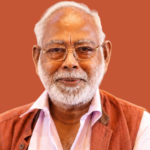
About me
I believe that true change doesn’t come from a handout, but from a hand up. My mission is to inform, educate, and empower marginalized communities by providing the resources and knowledge they need to chart their own paths toward success.
I was born on October 2, 1948, in New Delhi to Christian parents from South India. Growing up across the diverse landscapes of Kashmir, Himachal, Uttarakhand, and New Delhi, I developed a perspective that has shaped my lifelong career in journalism, human rights activism, and public discourse.
To me, my work is more than a personal endeavor; it is the practice of an ideology of inclusion. I identify deeply with the marginalized and collaborate with like-minded individuals to build platforms that amplify the voices of the “least, the last, and the forgotten” in our society.
My approach is rooted in providing issue-based, context-driven leadership and guidance. While I offer support based on organizational identity and shared goals, this collaboration is a strategic partnership for progress rather than a blanket endorsement of every ideology held by those I work with.
Today, I remain committed to documenting and challenging the structural discrimination and violence facing India’s religious minorities and Dalits, ensuring that the promise of constitutional equality remains a lived reality for all.
Dated forever,
Media Content
Recent Blog Posts
Caste, Christianity and the Indian courts
Members of the Dalit community hold a portrait of India’s social reformer and architect of…
Why Delhi needs a Jantar Mantar
A Democracy Needs Its Public SquareEngland, the land of the Magna Carta, has Hyde Park…
India’s Tryst With the Men in Brown Robes, and Their Love for the Marginalised
They stand out in any gathering of Catholic clergy, their coffee-brown hooded robes a sharp…
Focus Initiatives
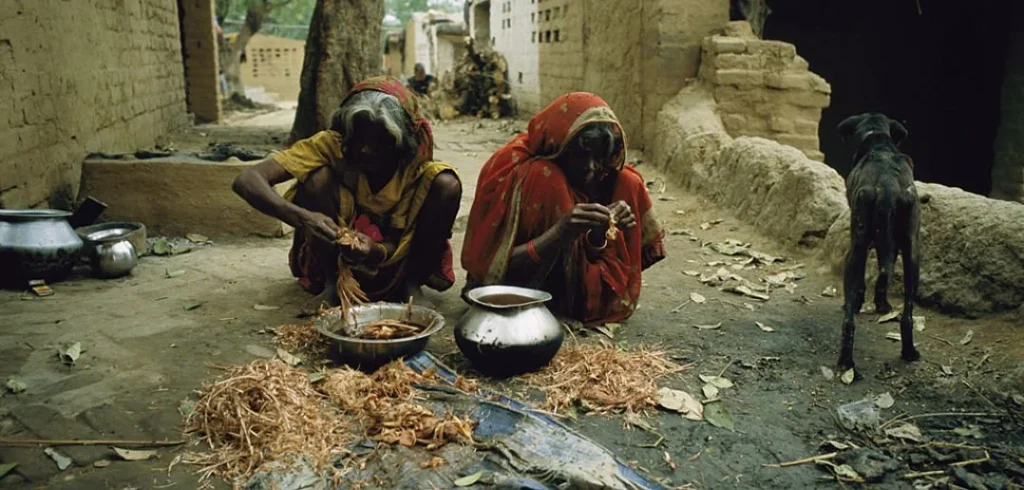
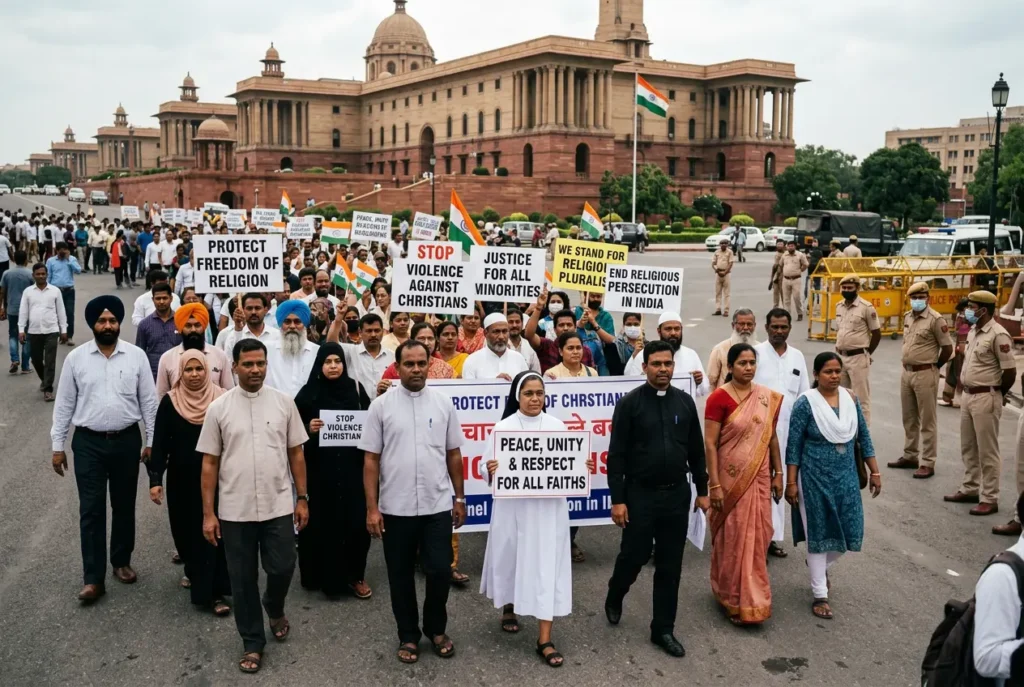
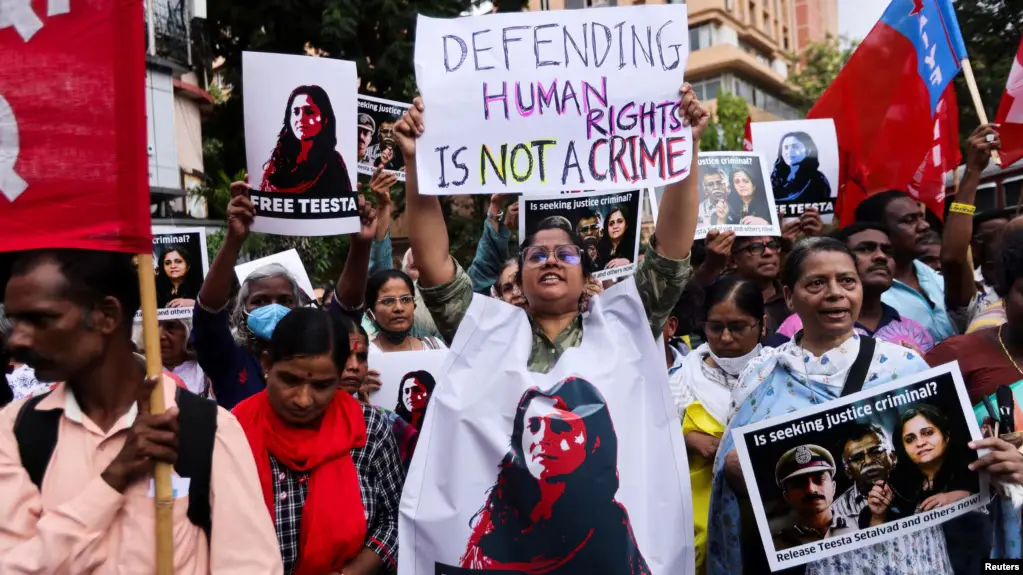
Click the button under each section to read blog posts in that category
Publications
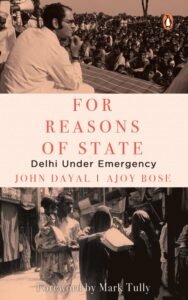
For Reasons of State
Delhi Under Emergency
John Dayal | Ajoy Bose
Initial release: 1987
Re-release: 2018
In 1977, two staff reporters at the Patriot, both in their twenties, occupied highly advantageous positions during the nineteen months of the Emergency to observe the turmoil wrought in the capital city of Delhi. In For Reasons of State, they have supplied first-hand evidence of the ruthlessness with which people’s homes were torn down and the impossible resettlement schemes introduced. The nation found itself in a whirlwind of fear, confusion, violence and destabilization, stemming from forced sterilizations, heartless evictions in the thousands, and the cruel imprisonment of many.
Part reportage and part human stories, this definitive volume evokes the life and times of the Emergency and how it unfolded, and remains perennially relevant.
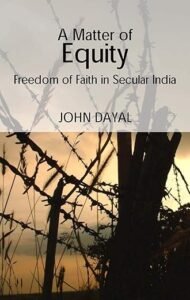
A Matter of Equity
Freedom of Faith in Secular India
John Dayal
Published: Jan 1, 2007
A Matter of Equity: Freedom of Faith in Secular India (2007) by Dr. John Dayal is a comprehensive collection of articles and documents highlighting the rising violence against Christians and the ideological campaign of the Sangh Parivar against minority educational institutions in India. Dayal critically documents attacks on Christians, argues that religious freedom is declining, and urges the Church to address its role amidst these challenges.
Key Aspects of the Book:
Documentation of Atrocities: The book serves as a record of major violence against the Christian community over a decade, including attacks on missionaries, churches, and institutions, as described in this Countercurrents article.
Critique of Hindutva: Dayal, a noted activist and journalist, presents an uncompromising critique of the Hindutva ideology and its impact on India’s secular fabric, as noted in this Countercurrents article.
Focus on Secularism: The work analyzes the “Christian situation” in the context of the constitutional right to freedom of religion, highlighting disparities between constitutional promises and ground realities.
Targeted Audience: It is a key resource for those interested in the challenges faced by Christian minorities and the role of the state in protecting (or failing to protect) minority rights, according to this Countercurrents article.
A Matter of Equity is published by Anamika Publishers & Distributors and consists of 487 pages, documenting the vulnerability of minority faiths in India. .
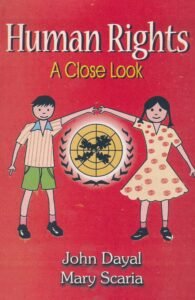
Human Rights
A Close Look
John Dayal
Mary Scaria
Published: 2001
Human Rights: A Close Look is a book by John Dayal, a prominent Indian journalist, human rights activist, and former president of the All India Catholic Union, focusing on the protection of minority rights in India. The book typically examines religious freedom, secularism, and state-level violence against minorities.
Key Aspects of John Dayal’s Human Rights Focus
Minority Concerns: Dayal is a vocal critic of rising intolerance and Hindu nationalism under the BJP government, highlighting threats to Muslims and Christians.